Photo Gallery
13 Photos
Click on any image to view in full size
About This Attraction
The Avenue des Champs-Élysées stands as one of the world’s most recognizable streets, embodying Parisian grandeur, history, and culture in a single magnificent boulevard. Running through the heart of Paris’s 8th arrondissement, this legendary avenue connects two of the city’s most important landmarks while offering an unparalleled experience of French elegance and urban beauty.
Originally commissioned by King Louis XIV in 1667, the Champs-Élysées began as an extension of the Tuileries Garden designed by André Le Nôtre, the famous landscape architect behind the gardens of Versailles. What started as marshland and vegetable fields gradually transformed into a tree-lined promenade, eventually becoming the sophisticated boulevard we know today. The avenue didn’t receive its current name until 1709, taking its title from the Elysian Fields of Greek mythology, the paradise where heroes and gods rested after death.
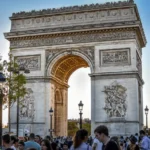
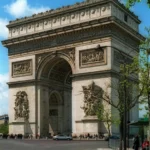
The transformation from swampland to symbol of Parisian prestige took centuries. During the 18th century, the area remained somewhat dangerous and avoided by locals after dark. However, urban development accelerated dramatically in the 19th century under Napoleon III and Baron Haussmann, who redesigned much of Paris. The installation of 1,200 gas lamps in 1828, the addition of sidewalks, and the construction of elegant buildings elevated the avenue to prominence. The completion of the Arc de Triomphe in 1836 at the western end provided the perfect architectural bookend to this grand urban axis.
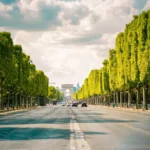
Today, the Champs-Élysées divides into two distinct sections. The lower portion, from Place de la Concorde to the Rond-Point, passes through the Jardin des Champs-Élysées, a park area containing the Grand Palais, Petit Palais, and several restaurants and monuments. This section maintains more of the avenue’s historical character with tree-lined walkways and green spaces. The upper section, from the Rond-Point to the Arc de Triomphe, represents the commercial heart of the avenue, lined with flagship stores of international luxury brands, movie theaters, cafés, and restaurants.
The avenue measures 70 meters in width and stretches for 1.91 kilometers, creating an impressive urban corridor that has witnessed countless historic moments. From Napoleon’s victory celebrations to the liberation of Paris in 1944, from German occupation parades to joyous World Cup celebrations, the Champs-Élysées has served as France’s stage for triumph and tragedy alike. Every year on July 14th, France’s Bastille Day, the avenue hosts Europe’s largest military parade, attracting hundreds of thousands of spectators who line the boulevard to celebrate French national pride.
For cycling enthusiasts worldwide, the Champs-Élysées holds special significance as the traditional finish line of the Tour de France, where the world’s most famous cycling race concludes with multiple laps up and down the avenue before the final sprint to victory. This tradition, established in 1975, has cemented the boulevard’s status in global sporting culture.
The shopping experience along the Champs-Élysées ranks among the world’s most prestigious and expensive retail locations. Louis Vuitton’s flagship store at number 101 represents the pinnacle of luxury retail, while other iconic brands including Guerlain (number 68), Chanel (number 52), and Cartier maintain prominent presences. The avenue also features more accessible fashion retailers like Zara, alongside automobile showrooms, perfume boutiques, and the famous Ladurée patisserie known for its exquisite macarons.
Historic cafés and restaurants provide quintessential Parisian experiences, though often at premium prices reflecting the avenue’s prestige. Fouquet’s, a legendary brasserie established in 1899, has hosted countless celebrities and artists throughout its history. These establishments offer front-row seats to one of the world’s greatest people-watching experiences, where the constant flow of tourists, Parisians, and international visitors creates an ever-changing tableau of global culture.
Accessibility remains excellent, with Paris Métro Line 1 running directly beneath the avenue. Stations include Charles de Gaulle-Étoile at the western end, George V, Franklin D. Roosevelt, and Champs-Élysées-Clemenceau, providing easy access to any point along the boulevard. The avenue also connects to major bus routes and serves as a central hub in Paris’s transportation network.
In recent years, efforts to reduce vehicle traffic have transformed the Champs-Élysées experience. Since 2016, the avenue becomes pedestrian-only on the first Sunday of each month from May through October, allowing families to stroll safely, children to cycle without fear of traffic, and visitors to experience this iconic street from a completely different perspective. During these car-free days, shops remain open, creating a unique opportunity to combine leisurely exploration with shopping and dining.
The surrounding neighborhood offers additional attractions worth exploring. The Grand Palais and Petit Palais, both built for the 1900 Universal Exposition, house important museums and exhibition spaces. The nearby Élysée Palace, residence of the French President, sits just off the avenue on Rue du Faubourg Saint-Honoré. The Pont Alexandre III, one of Paris’s most ornate bridges, lies a short walk away, while the Obelisk of Luxor anchors Place de la Concorde at the avenue’s eastern terminus.
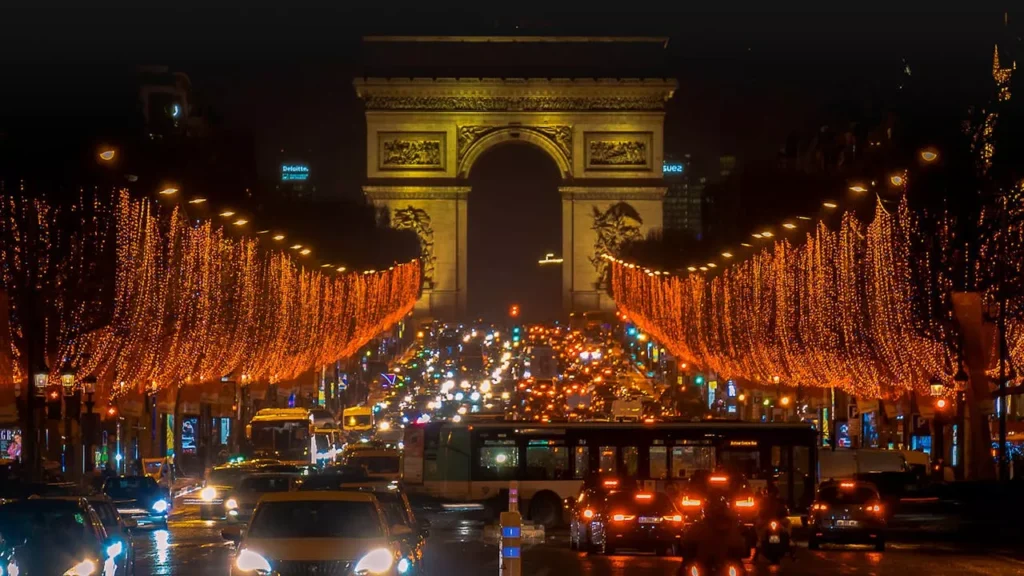
Evening visits reveal a different character, as the Champs-Élysées transforms into a illuminated spectacle. The avenue’s Christmas lights, installed annually from late November through early January, create one of Paris’s most magical seasonal experiences, drawing visitors from around the world. On New Year’s Eve, hundreds of thousands gather here to celebrate, making it one of Europe’s largest public New Year celebrations.
Whether you’re seeking luxury shopping, historical significance, architectural beauty, or simply want to walk along one of the world’s most famous streets, the Champs-Élysées delivers an quintessentially Parisian experience. While the commercialization of recent decades has changed some of the avenue’s character, its fundamental role as a symbol of French culture and Parisian grandeur remains undiminished. A stroll down these historic sidewalks, from the elegant gardens of the Tuileries axis to the triumphant Arc de Triomphe, offers a journey through both space and time, connecting visitors to centuries of French history, culture, and urban achievement.
Interesting Facts
Visitor Information
Opening Hours
Entrance Fee
Recommended Duration
Best Time to Visit
Address
Avenue des Champs-Élysées, 75008 Paris, FranceLocation & Map
Tip: Click and drag to explore the map, use scroll wheel to zoom in/out