Photo Gallery
7 Photos
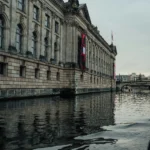
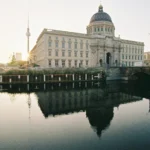
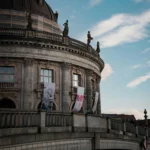
Click on any image to view in full size
About This Attraction
Museum Island (Museumsinsel) stands as one of Europe’s most outstanding museum complexes and a testament to the evolution of museum architecture over nearly two centuries. This extraordinary ensemble of five museums occupies the northern half of Spree Island in the heart of Berlin, creating what is essentially a temple district dedicated to art and knowledge. Originally built from 1830 to 1930, initially by order of the Prussian Kings according to plans by five different architects, the Museum Island was designated a UNESCO World Heritage Site in 1999 because of its testimony to the architectural and cultural development of museums in the 19th and 20th centuries.
The concept of Museum Island emerged from Enlightenment ideals that emphasized public education and the democratization of knowledge. For centuries, royal collections had remained locked away in palaces, accessible only to aristocrats and their guests. The creation of Museum Island represented a revolutionary shift: making humanity’s cultural treasures available to all citizens, regardless of social class. This philosophy reflected broader democratic movements sweeping Europe during the 19th century.
Right in the heart of Berlin, nestled between the Spree River and the Spree Canal, lies the world-famous Museum Island. Every year, over three million visitors come to see the five museums, whose spectrum of collections ranges from prehistory through ancient civilizations to 19th-century art. The complex consists of the Altes Museum, Neues Museum, Alte Nationalgalerie, Bode Museum, and Pergamon Museum, each representing distinct architectural styles and housing specialized collections that together chronicle 6,000 years of human cultural achievement.
With the opening of the Altes Museum in 1830, historically significant collections became accessible to the public for the first time in Prussian history. Designed by Karl Friedrich Schinkel, Prussia’s most celebrated architect, the Altes Museum embodied neoclassical ideals with its imposing rotunda inspired by Rome’s Pantheon and its columned façade facing the Royal Palace/Humboldt Forum. This inaugural museum established the precedent that public museums should themselves be works of art, with architecture worthy of the treasures displayed within.
The island, originally a residential area called Cölln, was dedicated to “art and science” by King Frederick William IV of Prussia in 1841, who envisioned creating an “Athenaeum” – a sanctuary for art and scholarship modeled on ancient Athens. This royal decree transformed the island from a neglected backwater into what would become one of the world’s premier cultural destinations. Over subsequent decades, four additional museums joined the Altes Museum, each designed by leading architects of their era.
The Neues Museum, completed in 1855 by Friedrich August Stüler, pioneered the use of iron construction techniques in museum architecture. The building suffered catastrophic damage during World War II bombing raids, spending decades as a romantic ruin before British architect David Chipperfield’s controversial yet brilliant restoration from 2003-2009 integrated modern materials with preserved ruins. Today, the Neues Museum houses the Egyptian Museum and Papyrus Collection, most famously featuring the 3,400-year-old bust of Nefertiti, one of the most reproduced works of ancient art and Museum Island’s most photographed treasure.
The Alte Nationalgalerie, opened in 1876 and designed by Heinrich Strack following concepts by Friedrich August Stüler, resembles a Corinthian temple raised on a high podium. This “temple to art” was specifically created to house 19th-century paintings and sculptures, displaying works by German Romantics like Caspar David Friedrich alongside French Impressionists including Monet, Manet, and Renoir. The building’s architecture makes a bold statement about the elevation of modern art to the same cultural status as classical antiquity.
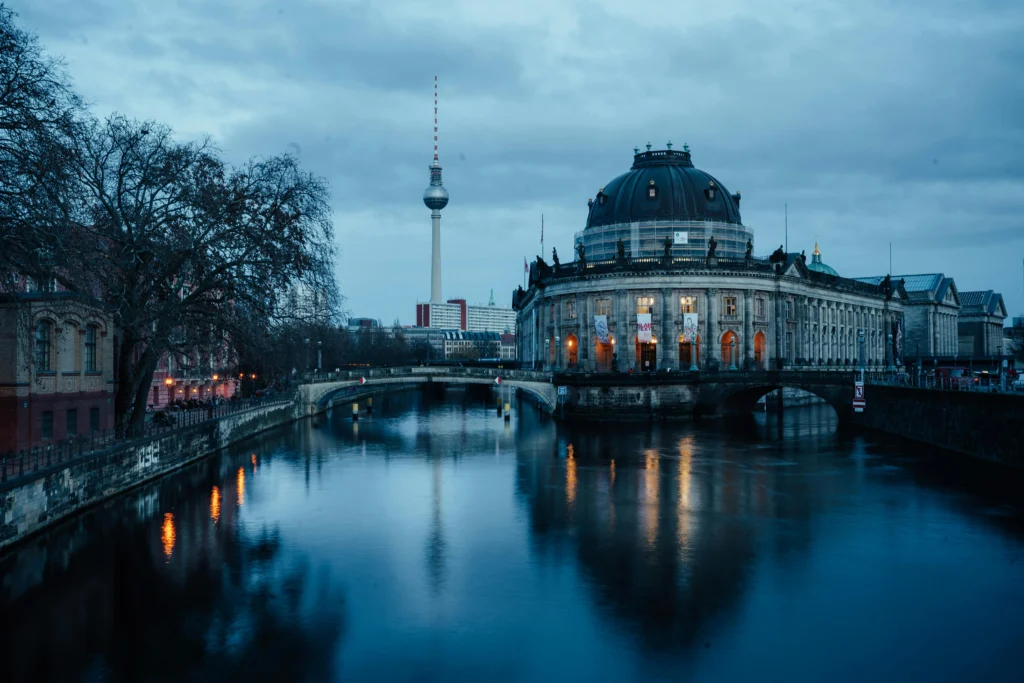
The Bode Museum, originally called the Kaiser-Friedrich-Museum when it opened in 1904, occupies the island’s northern tip with its distinctive neo-Baroque copper dome. Designed by Ernst von Ihne, the museum houses the Sculpture Collection spanning from early Christianity through the 18th century, the Museum of Byzantine Art, and the Numismatic Collection—one of the world’s most comprehensive coin collections with over 500,000 objects. The museum’s founder, Wilhelm von Bode, revolutionized museum display techniques by presenting artworks in period rooms that evoked their original contexts.
The Pergamon Museum, completed in 1930 and designed by Alfred Messel and Ludwig Hoffmann, became the complex’s crown jewel and remains its most visited museum. Named for its most famous exhibit—the monumental Pergamon Altar from ancient Greece—the museum displays full-scale reconstructions of ancient architectural marvels. The Museum of the Ancient Near East features the breathtaking Ishtar Gate from Babylon (constructed around 575 BCE) and the Processional Way, with brilliant blue-glazed bricks depicting lions, dragons, and bulls. The Museum of Islamic Art displays the Market Gate of Miletus and the spectacularly decorated Aleppo Room from a Syrian merchant house.
Each museum houses world-renowned collections that individually would rank among Europe’s finest institutions. Beyond the famous bust of Nefertiti in the Neues Museum, visitors encounter the Praying Boy bronze sculpture, ancient Egyptian mummies, and spectacular papyrus documents. The Pergamon Museum‘s architectural reconstructions allow visitors to walk through spaces that existed millennia ago, creating time-travel experiences impossible elsewhere. The Alte Nationalgalerie‘s collection includes masterworks by virtually every major 19th-century German and French artist, while the Bode Museum preserves Europe’s sculptural heritage from medieval wooden carvings to Italian Renaissance marble masterpieces.
Museum Island suffered devastating damage during World War II. Allied bombing raids gutted several buildings, destroying countless artworks and architectural features. The Soviet trophy brigades removed many surviving treasures to Moscow, where some remained until the 1950s and beyond. The division of Berlin during the Cold War created complex custodial questions about collections, with some artworks displayed in West Berlin museums while others remained on Museum Island in East Berlin. German reunification in 1990 enabled the reunification of collections and launched the massive Masterplan Museumsinsel, a long-term renovation project expected to continue into the 2030s.
The James Simon Gallery, opened in 2019 and designed by David Chipperfield, serves as Museum Island’s modern entrance building, providing visitor services, temporary exhibition space, and an architectural bridge connecting the previously separate museums. Named for the Jewish businessman and philanthropist who donated thousands of objects to Berlin museums, the building represents the complex’s ongoing evolution while honoring those who enriched its collections.
Museum Island represents more than an architectural ensemble or collection of artifacts—it embodies a philosophical commitment to public education, cultural preservation, and the belief that exposure to humanity’s greatest artistic achievements elevates society. Standing at the heart of Berlin, this UNESCO World Heritage Site continues fulfilling the vision of 19th-century kings and architects: serving as a universal museum where visitors journey through millennia of human creativity, from ancient Mesopotamia to German Romanticism, experiencing the breadth of human cultural achievement in one extraordinary location.
Interesting Facts
Visitor Information
Opening Hours
Entrance Fee
Recommended Duration
Best Time to Visit
Address
Bodestraße 1-3, 10178 Berlin, GermanyLocation & Map
Tip: Click and drag to explore the map, use scroll wheel to zoom in/out