Photo Gallery
6 Photos
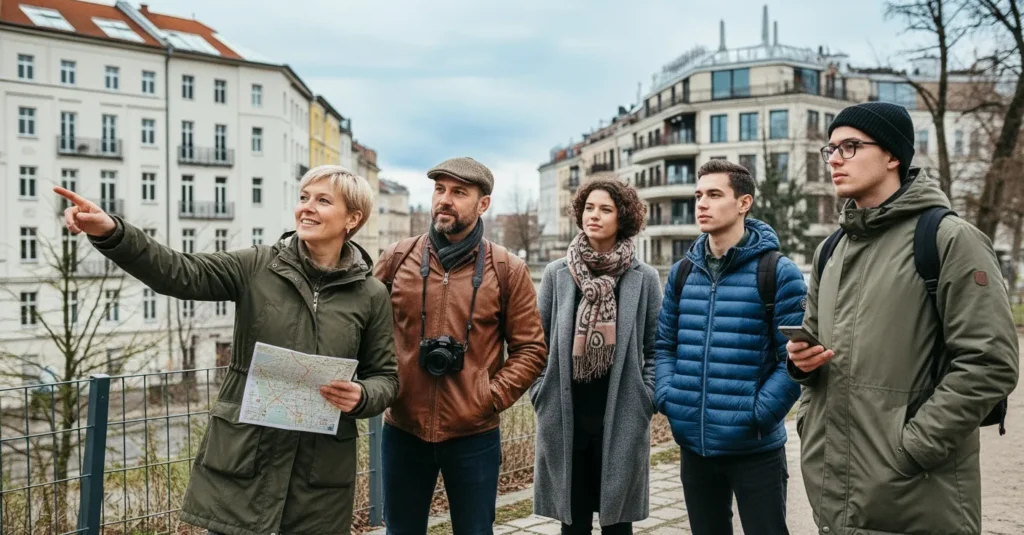

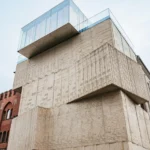
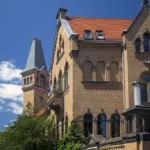
Click on any image to view in full size
Tour Highlights
About This Tour
This intimate walking tour through Prenzlauer Berg offers an authentic exploration of one of Berlin’s most fascinating neighborhoods, transformed from a working-class district into the city’s creative and cultural heart. The guided experience provides deep insights into how this area evolved from its industrial origins through dramatic political changes to become one of Berlin’s most desirable residential districts.
The tour centers around Schönhauser Allee, Prenzlauer Berg’s main artery, exploring both sides of this significant street to reveal the neighborhood’s layered history and contemporary character. Your knowledgeable guide provides context about how the area’s “long and oft-rocky history” combined with recent prosperity and diversity to shape modern Prenzlauer Berg’s distinctive identity.
Key landmarks include the historic Jewish Cemetery on Schönhauser Allee, a poignant reminder of the neighborhood’s pre-war Jewish community, and the iconic Wasserturm (Water Tower), a 19th-century structure that has become a symbol of the district. These sites anchor the tour in historical context while demonstrating the area’s architectural heritage.
Mauerpark serves as a highlight, famous throughout Berlin for its vibrant Sunday flea market and spontaneous live music performances. The tour explains how this former death strip along the Berlin Wall transformed into one of the city’s most beloved public spaces, embodying Prenzlauer Berg’s remarkable reinvention.
The route includes Kollwitzplatz, named after artist Käthe Kollwitz, showcasing the area’s artistic heritage, and Bernauer Straße where you’ll see the Messel House. These locations demonstrate how the neighborhood balances historical preservation with contemporary development.
Religious and cultural sites add depth to the experience, including the grand synagogue on Rykestraße, representing the area’s ongoing Jewish community revival, and the public pool on Oderberger Straße, illustrating how historical infrastructure adapts to modern community needs.
Reviews consistently praise guides for their comprehensive knowledge and engaging presentation style. Visitors describe tours as “very interesting” with commentary covering “history, architecture, and current circumstances.”
The tour appeals especially to repeat Berlin visitors seeking deeper neighborhood understanding beyond major tourist attractions. One reviewer noted this was “perfect activity” for those who “wanted something more in depth than a river trip or museum,” highlighting the tour’s value for culturally curious travelers.
The relaxed pace allows genuine conversation with guides who share insights into “hidden gems of the district” that aren’t immediately apparent to casual visitors. This insider perspective reveals the contrasts between Prenzlauer Berg’s “distinctive former character” and its “rapidly evolving future.”
The walking format proves ideal for experiencing the neighborhood’s intimate scale and street-level details. Unlike bus or bike tours, the pedestrian pace allows appreciation of architectural details, local atmosphere, and spontaneous discoveries that define Prenzlauer Berg’s charm.
Guides effectively explain the area’s gentrification process, addressing how former working-class housing became highly sought-after real estate while maintaining sensitivity to the social implications of these changes. This balanced approach provides honest assessment of neighborhood transformation.
The tour duration allows comprehensive coverage without overwhelming visitors, striking an effective balance between historical education and contemporary cultural insights. The format encourages questions and discussion, creating personalized experiences that adapt to group interests.
For visitors wanting to understand how Berlin’s neighborhoods evolved beyond the typical Cold War narrative, this Prenzlauer Berg tour provides essential context about urban transformation, creative communities, and the ongoing tension between preservation and progress in one of Germany’s most dynamic districts.
Tour Itinerary
Begin your Prenzlauer Berg exploration at the neighborhood's heart, meeting your guide in the central area to receive orientation about this former working-class district's transformation into Berlin's creative hub.
Walk along historic Schönhauser Allee, Prenzlauer Berg's most important thoroughfare, learning how this main street connects the district's past and present while serving as the neighborhood's commercial spine.
Visit the Jewish Cemetery on Schönhauser Allee, a poignant historical site that preserves the memory of the area's pre-war Jewish community and provides context about the neighborhood's diverse cultural heritage.
Explore the iconic Wasserturm (Water Tower), a 19th-century landmark that has become a symbol of Prenzlauer Berg, representing the area's industrial origins and architectural preservation efforts.
Stroll through vibrant Mauerpark, the former Berlin Wall death strip transformed into one of the city's most beloved public spaces, famous for its Sunday flea markets and spontaneous live music performances.
Walk along Bernauer Straße to see the historic Messel House, learning about the street's significance during the divided city period and its role in Berlin's urban development.
Discover Kollwitzplatz, named after renowned artist Käthe Kollwitz, showcasing the neighborhood's artistic heritage and its evolution into a cultural center with cafes and galleries.
Visit the grand synagogue on Rykestraße, representing the revival of Jewish community life in the area and demonstrating how religious heritage continues in modern Prenzlauer Berg.
Explore Oderberger Straße to see the historic public pool, illustrating how 19th-century infrastructure adapts to contemporary community needs while preserving architectural character.
Conclude your tour with discussion of hidden neighborhood gems and local insights, understanding the contrasts between Prenzlauer Berg's distinctive working-class origins and its rapidly evolving future as Berlin's creative district.
What to Expect
What's Included
What's Not Included
Important Notes
Meeting Point & Location
Tip: Click and drag to explore the map, use scroll wheel to zoom in/out