Photo Gallery
8 Photos

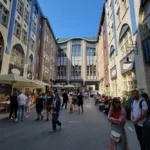
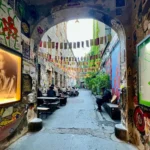
Click on any image to view in full size
Tour Highlights
About This Tour
This comprehensive Berlin food tour delivers an exceptional culinary adventure that combines authentic local tastings with cultural exploration through the city’s most vibrant neighborhoods. The walking format allows intimate discovery of Berlin’s diverse food scene, from traditional German specialties to multicultural influences that reflect the city’s cosmopolitan character.
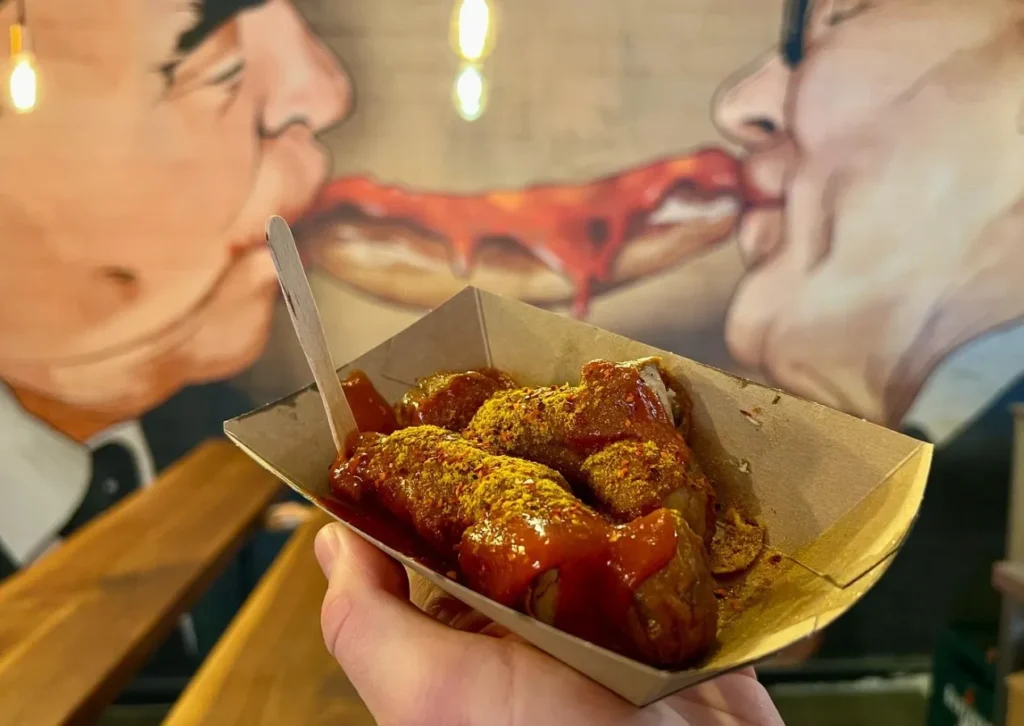
The tour includes eight authentic tastings that capture the essence of Berlin’s culinary landscape, featuring the famous Berlin kebab that represents the city’s Turkish community influence, traditional baked German pastries showcasing classic baking techniques, and the iconic Berlin Currywurst – a beloved local street food invention that has become synonymous with the city’s casual dining culture.
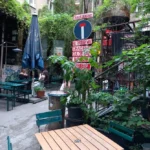
Traditional Biergarten food provides authentic German brewery cuisine experience, allowing visitors to understand how beer culture shapes local dining traditions. The mysterious “secret dish” adds an element of surprise that reviewers consistently mention as a highlight, creating anticipation and delivering unique flavors not found on typical tourist routes.
Your expert guide provides dual benefits as both culinary educator and cultural interpreter, explaining the historical and social significance of each tasting. Reviews praise guides as “smart, engaging and educational,” capable of connecting food experiences to broader Berlin history and neighborhood evolution. The guides demonstrate deep knowledge about how different communities contributed to Berlin’s diverse food scene.
The walking route traverses historically significant areas, beginning near Museum Island where Berlin’s medieval settlement originated, then progressing through Hackescher Markt with its bustling market atmosphere sheltered under a surviving pre-war train station. These locations provide architectural context that enhances the culinary experience.
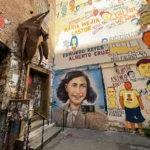
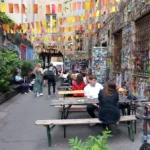
Rosenthaler Straße offers exploration of 19th-century courtyards transformed into contemporary cultural spaces filled with street art, cinemas, and cafes. This area demonstrates how Berlin’s food scene integrates with artistic and cultural communities, creating unique neighborhood characters.
The route includes poignant historical sites like the New Synagogue and Jewish Cemetery remnants, providing context about Berlin’s Jewish community and their culinary contributions before and after the war. These stops add historical depth that transforms simple food sampling into cultural education.
The 1700s Evangelical church on Große Hamburger Straße connects to Cold War history, including clandestine religious services that occurred during Berlin’s divided period. These historical touchpoints help visitors understand how political events shaped neighborhood development and food culture.
Reviews consistently praise the tour’s balance of culinary discovery and cultural exploration, with visitors noting guides “showed us parts of Berlin I don’t think we would have found on our own” while explaining “the history of some of the neighborhoods and how they’ve changed.” This comprehensive approach appeals to both food enthusiasts and history buffs.
The group format creates social dining experiences that reviewers describe as enjoyable, with fellow participants enhancing the overall atmosphere. The walking pace allows comfortable conversation and digestion between tastings while covering significant ground through diverse neighborhoods.
Guest feedback emphasizes the educational value, with visitors learning about “local food cultures” through knowledgeable guides who demonstrate patience and enthusiasm. The tour successfully explains culinary traditions while providing context about immigration, historical events, and cultural evolution.
For visitors seeking authentic Berlin food experiences beyond typical restaurant dining, this tour provides comprehensive introduction to the city’s culinary diversity while exploring neighborhoods rich in street art, history, and cultural significance that independent travelers might miss.
Tour Itinerary
Begin your culinary adventure at Museum Island, the historic center of Berlin where the city's medieval settlement originated, setting the stage for understanding how Berlin's food culture evolved from its earliest foundations.
Walk to bustling Hackescher Markt, a vibrant area with market stalls and cafe terraces sheltered under one of Berlin's few surviving pre-war train stations, where you'll sample your first authentic local tasting.
Explore Rosenthaler Straße 40, navigating through a labyrinth of 19th-century courtyards transformed into street art galleries, cinemas, and cafes while enjoying traditional German pastries and learning about neighborhood gentrification.
Pass by the New Synagogue Berlin - Centrum Judaicum, where you'll see the restored grand synagogue and tragic remains of the historic Jewish Cemetery while sampling multicultural treats that reflect Berlin's diverse communities.
Stop at Große Hamburger Straße 29-30 to visit the 1700s Evangelical church, once the site of clandestine masses led during the Cold War, while tasting the famous Berlin kebab that represents Turkish community influence.
Continue through historic neighborhoods sampling the iconic Berlin Currywurst at an authentic local eatery, learning about this beloved street food invention that became synonymous with Berlin's casual dining culture.
Experience traditional Biergarten food culture at a local establishment, understanding how beer traditions shape German dining customs while enjoying hearty regional specialties.
Conclude your food journey with the mysterious "secret dish" at an exclusive location known only to locals, providing a unique culinary surprise that showcases contemporary Berlin's innovative food scene.
Throughout the walking tour, your guide provides cultural commentary connecting each tasting to Berlin's history, explaining how political events, immigration patterns, and neighborhood evolution shaped the city's diverse and dynamic culinary landscape.
What to Expect
What's Included
What's Not Included
Important Notes
Meeting Point & Location
Tip: Click and drag to explore the map, use scroll wheel to zoom in/out