Cappadocia

Photo Gallery

17 Photos
Click on any image to view in full size

About This Attraction

Cappadocia (Turkish: Kapadokya) is a UNESCO World Heritage Site located in central Turkey’s Anatolia region, renowned for its surreal landscape of towering “fairy chimneys,” underground cities, and ancient cave churches. This extraordinary geological and cultural wonderland, covering approximately 20,000 square kilometers across Nevşehir, Kayseri, Aksaray, and Niğde provinces, attracts over 3 million visitors annually who come to experience one of the world’s most unique landscapes shaped by millions of years of volcanic activity and human ingenuity.

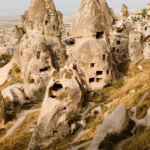
The region’s otherworldly terrain was created through an extraordinary geological process that began millions of years ago when ancient volcanoes – Mount Erciyes, Mount Hasan, and Mount Güllüdağ – erupted repeatedly, blanketing the landscape with layers of volcanic ash and lava. Over time, this ash hardened into soft volcanic rock called tuff, which was then sculpted by wind, water, and erosion into the distinctive cone-shaped rock formations known as fairy chimneys. These natural spires, reaching heights of up to 130 feet, create a lunar-like landscape that has captivated visitors for centuries and earned Cappadocia recognition as one of National Geographic’s “Top 10 Beautiful Places on Earth.”

Human civilization has thrived in this unique environment for millennia, beginning with the ancient Hittites who first carved dwellings into the soft rock around 1800 BC. Throughout history, the region served as a crossroads of civilizations along the ancient Silk Road, witnessing the rise and fall of Persian, Greek, Roman, Byzantine, and Ottoman empires. During the early Christian period, persecuted believers fled to Cappadocia’s hidden valleys, carving elaborate underground cities capable of sheltering thousands and creating hundreds of rock-cut churches adorned with magnificent Byzantine frescoes that remain remarkably preserved today.

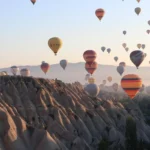
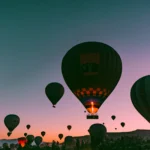
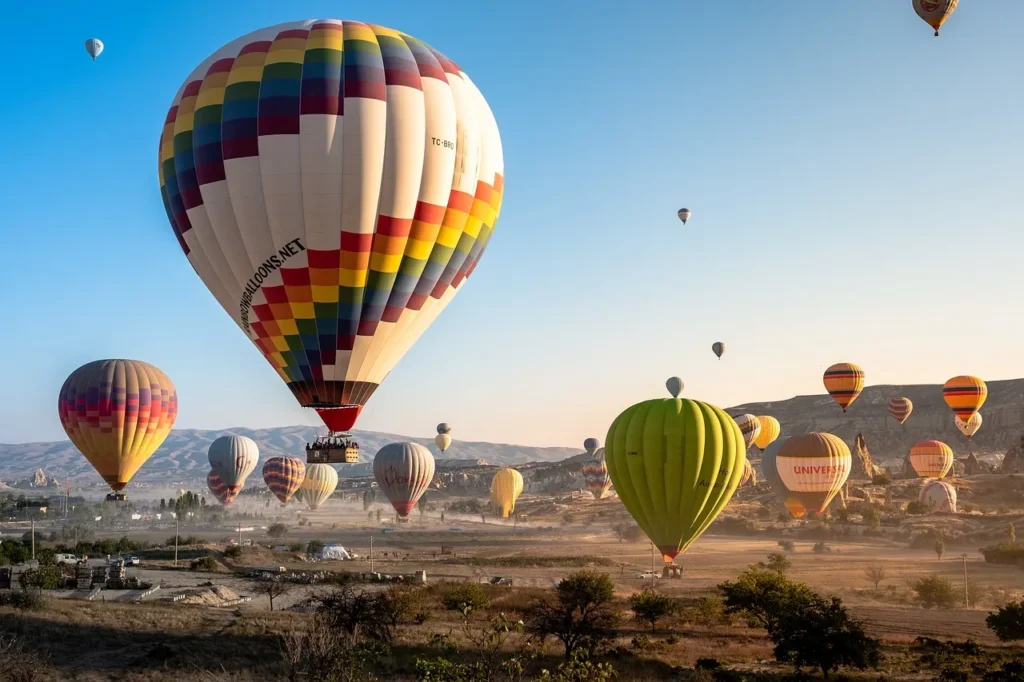
Modern Cappadocia offers visitors an unparalleled blend of natural wonder and cultural heritage. The region is world-famous for its hot air balloon flights, which provide breathtaking sunrise views over the fairy chimney landscape as hundreds of colorful balloons drift silently through the valleys. Beyond ballooning, visitors can explore ancient underground cities like Derinkuyu and Kaymaklı, hike through spectacular valleys such as Rose Valley and Love Valley, discover Byzantine art in the rock churches of Göreme Open Air Museum, and experience authentic Turkish culture in traditional cave hotels and pottery workshops in Avanos.

Whether seeking adventure, history, spirituality, or simply witnessing one of nature’s most remarkable creations, Cappadocia delivers an unforgettable experience that seamlessly blends geological marvel with human heritage, making it one of Turkey’s most treasured destinations and a true wonder of the world.

Interesting Facts

The name "Cappadocia" comes from the Persian "Katpatuka," meaning "Land of Beautiful Horses," referring to the region's renowned equestrian tradition.
Cappadocia's fairy chimneys were formed over millions of years from volcanic ash that hardened into tuff, then eroded by wind and water into cone-shaped pillars up to 130 feet tall.
The region was created by eruptions from three major volcanoes: Mount Erciyes, Mount Hasan, and Mount Güllüdağ, which covered 20,000 square kilometers with volcanic deposits.
The International Union of Geological Sciences included Cappadocia's Miocene ignimbrite sequence in its list of 100 global geological heritage sites in 2022.
Derinkuyu Underground City is the world's deepest underground city, extending 18 levels deep and once capable of sheltering over 20,000 people with complete amenities.
Over 200 underground cities have been discovered in Cappadocia, with 40 having at least two levels and serving as refuges during times of persecution and invasion.
Göreme Open Air Museum contains more than 30 rock-carved churches with Byzantine frescoes dating from the 4th to 11th centuries, representing one of the world's most important early Christian art collections.
The soft volcanic tuff can be easily carved with simple tools, allowing ancient inhabitants to create elaborate living spaces, churches, and storage areas within the rock formations.
More than 150 hot air balloons can be seen floating over Cappadocia simultaneously during peak morning flights, creating one of the world's most photographed aerial spectacles.
Love Valley contains some of the tallest and most distinctively shaped fairy chimneys, resembling natural sculptures that have made it famous for wedding photography.
Saint George, one of Christianity's most important saints, was born in Cappadocia, and the region became a major center for early Christian monasticism.
The harder basalt caps on fairy chimneys erode at only 3-4 centimeters per thousand years, while the soft tuff underneath erodes much faster when exposed.
Ihlara Valley contains over 100 Byzantine churches carved into its canyon walls, creating a 14-kilometer hiking trail through early Christian history.
The fairy chimneys continue to evolve today, with some formations growing while others erode away, making each visit to Cappadocia slightly different from previous ones.

Visitor Information

Opening Hours

Göreme Open Air Museum: 8:00 AM - 8:00 PM (Daily) Derinkuyu Underground City: 8:00 AM - 7:00 PM (Summer), 8:00 AM - 5:00 PM (Winter) Zelve Open Air Museum: 8:00 AM - 5:00 PM (Daily) Hot air balloon flights: 4:30 AM - 7:00 AM (Weather dependent)

Entrance Fee

Göreme Open Air Museum: €20, Derinkuyu Underground City: €13, Zelve Open Air Museum: €12, Uchisar Castle: €8, Many valleys and viewpoints: Free

Recommended Duration

Multiple days

Best Time to Visit

Early Morning, Fall, Spring, Sunrise, Sunset, Weekdays

Address

Cappadocia Region Central Anatolia, Turkey Main towns: Göreme, Ürgüp, Uçhisar, Avanos

Location & Map

Loading map...

Frequently Asked Questions

Cappadocia is located in central Turkey's Anatolia region, primarily covering parts of Nevşehir, Kayseri, Aksaray, and Niğde provinces. The main tourist area centers around Göreme, Ürgüp, Uçhisar, and Avanos, approximately 300 kilometers southeast of Ankara.
The best times are spring (April-June) and autumn (September-November) for mild weather and optimal hot air balloon conditions. Summer can be very hot, while winter offers snow-covered landscapes but limited balloon flights due to weather conditions.
Göreme offers the best location for first-time visitors with easy access to balloon flights, museums, and valleys. Ürgüp provides luxury accommodations and wine culture. Uçhisar offers quieter stays with panoramic views. Many visitors choose cave hotels for authentic experiences.
Yes, several underground cities are open to tourists. Derinkuyu is the largest and deepest, while Kaymaklı is easier to navigate. These multi-level complexes require moderate fitness as they involve narrow passages, low ceilings, and steep stairs. Not recommended for claustrophobic visitors.
Wear comfortable walking shoes for uneven terrain, layers for temperature changes, and modest clothing for religious sites. Bring warm clothes for early morning balloon flights, sun protection for daytime exploration, and waterproof gear if visiting during rainy seasons.