Küçüksu Pavilion

Photo Gallery

7 Photos
Click on any image to view in full size

About This Attraction

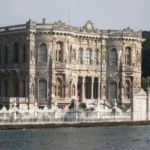
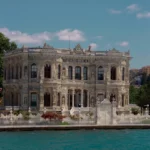
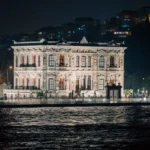
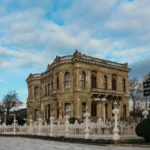
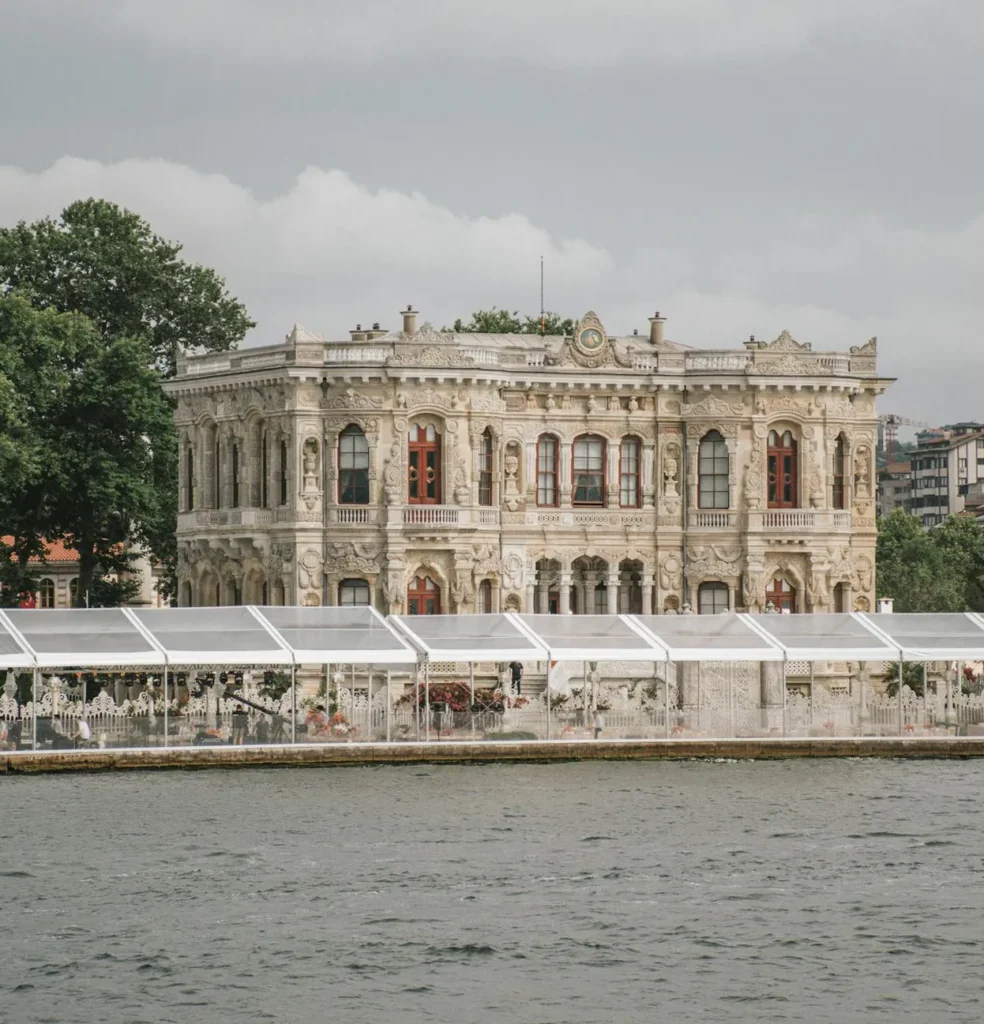
Küçüksu Pavilion (Turkish: Küçüksu Kasrı), Littlewater Pavilion a.k.a. Göksu (Skywater) Pavilion, is a summer pavilion in Istanbul, Turkey, situated in the Küçüksu neighborhood of Beykoz district on the Asian shore of the Bosphorus between Anadoluhisarı and the Fatih Sultan Mehmet Bridge.

The pavilion was commissioned by Sultan Abd-ul-Mejid I (1823–1861), and designed by the architects Garabet Amira Balyan and his son Nigoğayos Balyan in the neo-baroque style. Completed in 1857, the structure took the place of a two-storey timber palace built during the reign of Mahmud I (1696–1754).

Nestled along the Bosphorus on Istanbul’s Asian shore, Küçüksu Pavilion is a small yet enchanting palace that embodies the delicate blend of Ottoman and European styles characteristic of the 19th century. Unlike other Ottoman palaces, this intimate structure was designed exclusively for daytime use and recreational activities, with no bedrooms in its original layout.

The building consists of two main stories and a basement on a footprint of 15 x 27 m. The plan of the above floors is in line with the typical Turkish architectural design of houses with a main hall and surrounding rooms.

The interior decorations and arrangements of the pavilion are the work of art of Charles Polycarpe Séchan (1803-1874), the renowned French interior designer and decorator of the Paris Opera. The structure showcases exquisite craftsmanship with elaborate frescoes, European-style paintings, crystal chandeliers, and marble fireplaces from Italy.

Interesting Facts

Built with leftover white marble from Dolmabahçe Palace construction.
Designed exclusively for daytime use - originally had no bedrooms.
Name means "Little Water Pavilion" in Turkish (küçük=small, su=water).
Used as hunting lodge and recreational retreat by Ottoman sultans.
Interior decorated by Charles Séchan, who also designed Paris Opera interiors.
Each room features unique Italian marble fireplaces in different colors and styles.
Popular wedding photography venue due to elaborate Bosphorus-facing facade.
Featured in James Bond film "The World Is Not Enough" as Elektra King's mansion

Visitor Information

Opening Hours

Tuesday, Wednesday, Friday-Sunday: 9:00 AM - 5:30 PM Closed: Mondays, New Year's Day, 1st Day of Ramadan Bayram, 1st Day of The Feast of the Sacrifice

Entrance Fee

Foreign visitors: 200 TL, Turkish citizens: 40 TL

Recommended Duration

1 hour

Best Time to Visit

Fall, Morning, Spring, Summer, Weekdays

Address

Göksu Mahallesi, Küçüksu Caddesi No:12, 34805 Küçüksu/Beykoz, Istanbul

Location & Map

Loading map...

Frequently Asked Questions

Küçüksu Pavilion is a 19th-century Ottoman summer pavilion located on Istanbul's Asian Bosphorus shore. Built by Sultan Abdülmecid I and completed in 1857, it's unique as the only Ottoman palace designed exclusively for daytime use with no bedrooms. The pavilion showcases exquisite Neo-Baroque architecture and served as a hunting lodge and recreational retreat.
Küçüksu Pavilion is open Tuesday, Wednesday, and Friday through Sunday from 9:00 AM to 5:30 PM. Last admission is at 4:30 PM. The pavilion is closed on Mondays, New Year's Day, the first day of Ramadan Bayram, and the first day of the Feast of the Sacrifice.
Photography is not permitted inside Küçüksu Pavilion to preserve the historical interiors and artifacts. However, visitors can take photos in the gardens, of the exterior facade, and surrounding grounds. The Bosphorus-facing facade is particularly popular for photography, especially wedding shoots.
A complete visit to Küçüksu Pavilion takes 45 minutes to 1.5 hours. The interior tour with audio guide takes 20-30 minutes, while exploring the gardens and taking exterior photos requires an additional 15-30 minutes. The pavilion is smaller than other Ottoman palaces, making it perfect for a quick but enriching cultural visit.
Unlike other Ottoman palaces, Küçüksu Pavilion was designed exclusively for daytime activities and originally had no bedrooms. It's much smaller and more intimate than Dolmabahçe or Beylerbeyi palaces, surrounded by cast iron railings rather than high walls. The pavilion served primarily as a hunting lodge and recreational retreat in the scenic "Sweet Waters of Asia" area.
Yes, Küçüksu Pavilion welcomes families with children. The compact size makes it manageable for young visitors, and the audio guide helps make the history accessible. Visitors must wear protective shoe covers inside, and children should be supervised due to the historical nature of the interiors. The gardens provide space for children to explore safely.