The Grand Bazaar

Photo Gallery

8 Photos
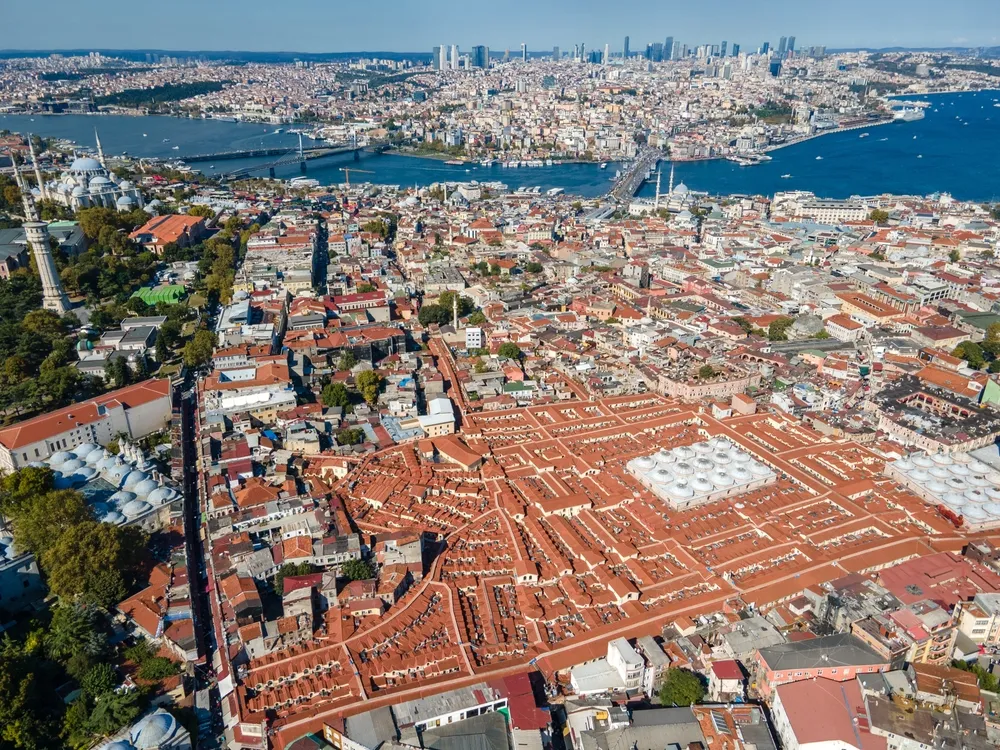
Click on any image to view in full size

About This Attraction

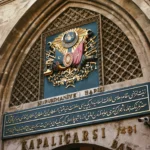
The Grand Bazaar (Kapalıçarşı), meaning “Covered Market,” stands as one of the world’s oldest and largest covered markets, representing over 560 years of continuous commercial activity in the heart of Istanbul. Built in 1461 under Sultan Mehmed II (the Conqueror) shortly after the Ottoman conquest of Constantinople, this architectural marvel covers 30,700 square meters with 61 covered streets and over 4,000 shops, creating a labyrinthine shopping paradise that attracts between 250,000 and 400,000 visitors daily.

What began as two small stone buildings called “bedestens” designed to provide financial resources for the Hagia Sophia has evolved into a sprawling complex that was once considered the world’s first shopping mall. The market’s backbone consists of the Cevahir Bedesten (Jeweler’s Market) and the Sandal Bedesten, both masterpieces of Ottoman architecture featuring intricate dome designs and vaulted passages that have survived countless fires, earthquakes, and centuries of political upheaval.

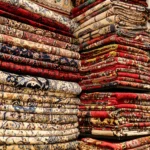
The Grand Bazaar is far more than a shopping destination – it’s a living museum where Ottoman guild traditions, Byzantine architectural elements, and Islamic artistry converge in a sensory explosion of colors, scents, and sounds. Each street was historically dedicated to specific trades, and many retain their traditional names: Kalpakçılar Caddesi (Street of Jewelers), Halıcılar Street (Carpet Sellers), and Çarşıkapı Sokak (famous for carpets and textiles), preserving centuries-old commercial traditions.

Beyond its commercial significance, the Grand Bazaar served as a social hub where Istanbulites from all walks of life could meet, including members of the Imperial Harem and Court, making it one of the few public spaces where different social classes mingled during Ottoman times. The market’s famous guild system created monopolies that regulated trade, quality, and prices, establishing standards that influenced commerce throughout the empire.

Today, while competing with modern shopping malls, the Grand Bazaar maintains its historical charm and continues to employ over 26,000 people, offering everything from handwoven Turkish carpets and Ottoman antiques to modern jewelry, leather goods, ceramics, and traditional Turkish delights. Its 22 ornate gates each tell their own stories, leading visitors into a world where haggling is an art form, Turkish hospitality thrives, and every corner reveals new treasures waiting to be discovered.

Interesting Facts

Built in 1461 under Sultan Mehmed II, making it over 560 years old and one of the world's oldest continuously operating covered markets.
Covers 30,700 square meters with 61 covered streets, 4,000+ shops, and employs over 26,000 people, making it larger than many small towns.
Attracts 250,000-400,000 visitors daily and was listed as the world's most-visited tourist attraction in 2014 with over 91 million annual visitors.
Originally consisted of two "bedestens" (domed markets): Cevahir Bedesten with 15 dome sections and Sandal Bedesten surrounded by 50 domes, both architectural masterpieces of Ottoman design.
Features 22 different gates, each with unique history and character, including the ornate Nuruosmaniye Gate leading to the baroque-style mosque.
treets were historically organized by trades with guild monopolies: jewelers, carpet makers, spice merchants, antique dealers, and leather craftsmen each had designated areas.
Served as a social hub during Ottoman times where people from all social classes could meet, including rare opportunities for the public to encounter Imperial Harem members.
Originally built with fireproof stone and brick construction after early wooden structures were destroyed by fires, using lead-covered domes later replaced with clay tiles.
Operated under the traditional "vakıf" (pious foundation) system where shop rents funded public institutions like schools, hospitals, and mosque maintenance.

Visitor Information

Opening Hours

Monday to Saturday: 08:30 AM - 07:00 PM Closed: Sundays and first day of religious holidays Also closed on national holidays (April 23, May 19, October 29)

Entrance Fee

Free

Recommended Duration

2-3 hours

Best Time to Visit

Early Morning, Fall, Spring, Weekdays, Winter

Address

Beyazıt, Kalpakçılar Cd. No:22, 34126 Fatih/İstanbul, Turkey Main entrance: Beyazıt Gate (across from Beyazıt tram station)

Location & Map

Loading map...

Frequently Asked Questions

The Grand Bazaar is special as one of the world's oldest and largest covered markets, representing over 560 years of continuous commercial activity. It's an architectural marvel featuring 61 covered streets with stunning Ottoman dome designs and vaulted passages. Beyond shopping, it's a living piece of history where traditional guild systems, Ottoman social customs, and Islamic artistry converge. The bazaar's unique street organization by trades, its role as a social hub in Ottoman times, and its survival through centuries of political changes make it far more than just a market – it's a cultural institution and architectural treasure.
Absolutely! The Grand Bazaar offers a unique cultural experience that combines history, architecture, shopping, and Turkish hospitality in one extraordinary location. Even if you're not interested in shopping, it's worth visiting for its stunning Ottoman architecture, historic atmosphere, and cultural significance. The maze-like layout, beautiful domed ceilings, and traditional craftsmanship create an unforgettable sensory experience. Plus, entry is completely free, making it accessible to all travelers. Whether you spend an hour browsing or half a day exploring, it's an essential Istanbul experience.
The Grand Bazaar is located in Istanbul, Turkey's largest city and former capital of the Ottoman Empire. Istanbul sits in northwestern Turkey, straddling both European and Asian continents across the Bosphorus Strait. The bazaar is specifically situated in the historic Fatih district on the European side, in the heart of the Old City that was once Constantinople, making it perfectly positioned within Turkey's most historically and culturally significant urban center.
The Grand Bazaar is located in the Fatih district of Istanbul, specifically in the Beyazıt neighborhood between the Beyazıt and Nuruosmaniye mosques. The exact address is Beyazıt, Kalpakçılar Cd. No:22, 34126 Fatih/İstanbul. The main entrance (Beyazıt Gate) is directly across from the Beyazıt-Kapalıçarşı tram stop on the T1 line. It's within walking distance of major attractions like the Süleymaniye Mosque, Istanbul University, and the Spice Bazaar, making it easily accessible from Sultanahmet and other historic areas.
Yes, the Grand Bazaar is currently open Monday through Saturday from 8:30 AM to 7:00 PM. It's closed on Sundays and the first day of religious holidays (Eid celebrations), as well as national holidays like April 23, May 19, and October 29. The bazaar maintains regular hours throughout the year, though individual shop hours may vary slightly. During peak tourist seasons, it can get quite crowded, so visiting early in the morning is recommended for a more comfortable experience.
Yes, the Grand Bazaar is completely free to enter with no admission fee required. Anyone can walk through its historic streets and admire the architecture without paying anything. However, you'll obviously need to pay if you decide to purchase items from the shops. This free access makes it one of Istanbul's most accessible major attractions, allowing visitors on any budget to experience this historic covered market and its stunning Ottoman architecture.
The Grand Bazaar was originally built in 1461 as a covered market to serve multiple purposes: it was designed to generate revenue for the maintenance of Hagia Sophia, provide a secure central location for trading valuable goods like textiles, gold, and spices, and establish Istanbul as a major commercial hub connecting Europe, Asia, and Africa. Throughout Ottoman history, it functioned as both a marketplace and social center where people from all classes could meet. The bazaar operated under a guild system that regulated trades, maintained quality standards, and supported civic institutions through a charitable foundation system that funded schools, hospitals, and mosques.
Yes, bargaining is not only allowed but expected at most shops in the Grand Bazaar! Haggling is a traditional part of the shopping experience and cultural interaction. Start by offering about 50-60% of the asking price and negotiate from there. Merchants expect this and often inflate initial prices accordingly. Be respectful, patient, and willing to walk away – this often results in better offers. However, some shops with fixed prices (usually clearly marked) don't negotiate, and high-end jewelry stores may have less flexibility.
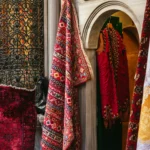
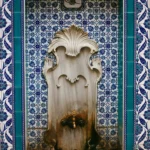
The Grand Bazaar offers incredible variety including handwoven Turkish carpets and kilims, traditional ceramics and Iznik tiles, gold and silver jewelry, leather goods (bags, jackets, shoes), Turkish textiles and scarves, traditional Turkish delight and spices, antiques and Ottoman artifacts, traditional copper and brassware, and authentic Turkish coffee and tea sets. Each street specializes in different goods, so explore widely. Look for authentic, locally-made items and always verify quality before purchasing.
Visit early in the morning right after opening (8:30 AM) for the most peaceful experience with fewer crowds and better opportunities to interact with shopkeepers. Weekdays are generally less crowded than weekends. Avoid late mornings and afternoons when tour groups arrive. Winter months (November-March) see fewer tourists than peak summer season. However, remember that some of the bazaar's energy comes from its bustling atmosphere, so moderate crowds can actually enhance the authentic experience.