
Berlin stands as one of Europe’s most fascinating capitals, where every corner tells a story spanning centuries of triumph, tragedy, and transformation. For history enthusiasts, this remarkable city offers an unparalleled journey through time, from Prussian grandeur to Cold War division and modern reunification. We’ve curated the essential historical attractions that will give you a comprehensive understanding of Berlin’s complex and captivating past.
Brandenburg Gate: Berlin’s Iconic Symbol
No visit to Berlin is complete without standing before the majestic Brandenburg Gate. This neoclassical monument, built in 1791, has witnessed Napoleon’s conquest, Nazi parades, Cold War division, and the fall of the Berlin Wall. Today, it serves as a powerful symbol of German unity and peace, making it the perfect starting point for your historical exploration.

Victory Column: A Monument to Prussian Glory
Rising 67 meters above the Tiergarten, the Victory Column (Siegessäule) commemorates Prussia’s military victories in the 19th century. Climb the 285 steps to the observation deck for spectacular city views, and admire the golden goddess of victory that crowns this impressive monument. It’s a testament to Berlin’s imperial past and offers insight into the city’s pre-war grandeur.
Reichstag Building: Democracy’s Historic Home
The Reichstag Building embodies Germany’s tumultuous political history. From hosting the German parliament since 1894 to surviving the infamous fire of 1933 and Cold War abandonment, this building has seen it all. Today’s glass dome, designed by Norman Foster, symbolizes transparency in democracy and offers visitors a unique perspective on both history and modern Berlin.

Museum Island: A UNESCO World Heritage Treasure
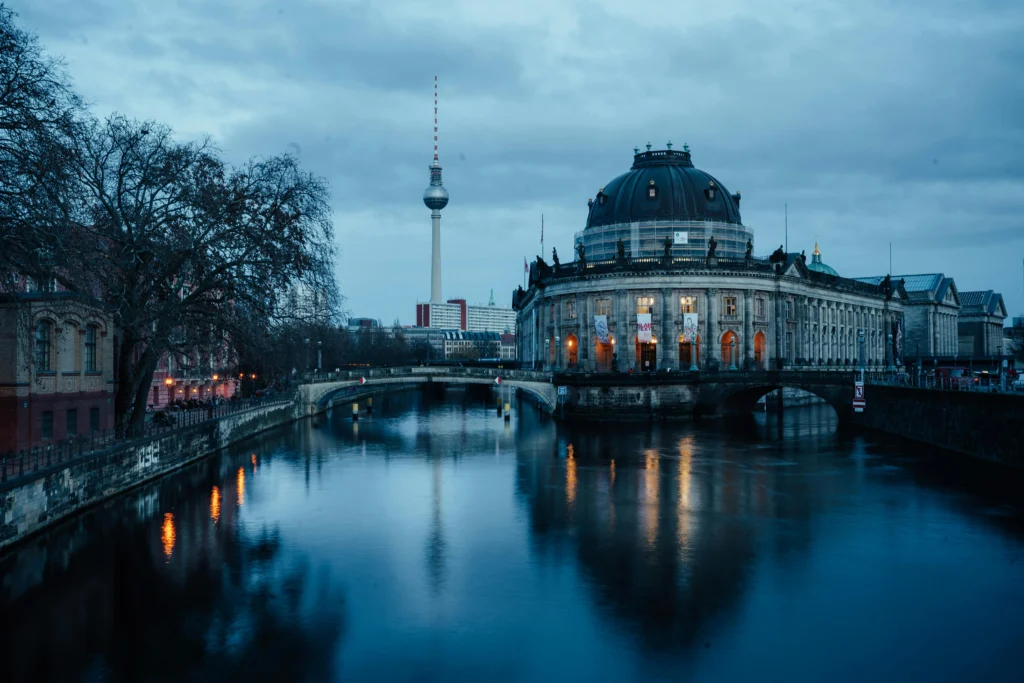
Museum Island (Museumsinsel) houses five world-renowned museums in stunning 19th-century buildings. Here, you’ll encounter ancient civilizations, from Egyptian artifacts in the Neues Museum to Greek and Roman treasures in the Altes Museum. The Pergamon Museum’s reconstructed ancient monuments provide an awe-inspiring glimpse into humanity’s artistic achievements.
Charlottenburg Palace: Royal Splendor Preserved
Step into the opulent world of Prussian royalty at Charlottenburg Palace. This baroque masterpiece, built for Queen Sophie Charlotte in 1695, showcases centuries of royal life through its lavishly decorated rooms, extensive gardens, and impressive art collections. It’s your window into the lifestyle and culture of German nobility.

Berlin Cathedral: Architectural Magnificence
The Berlin Cathedral (Berliner Dom) dominates the city’s skyline with its distinctive green dome and neo-baroque architecture. Built between 1894 and 1905, this Protestant cathedral serves as both a place of worship and a monument to German imperial ambitions. Climb to the dome’s walkway for panoramic views across historic Berlin.

Topography of Terror: Confronting Dark History
Located on the former site of Nazi SS and Gestapo headquarters, the Topography of Terror provides a sobering examination of Nazi crimes. This outdoor and indoor exhibition uses photographs, documents, and preserved building foundations to tell the story of persecution and resistance during one of history’s darkest chapters.
Checkpoint Charlie: Cold War’s Front Line
Once the most famous border crossing between East and West Berlin, Checkpoint Charlie represents the tension and drama of the Cold War era. While the original checkpoint is gone, the replica and surrounding museum offer fascinating insights into escape attempts, espionage, and daily life in a divided city.

Berlin Wall: Division Made Visible
Remnants of the Berlin Wall serve as powerful reminders of a city once torn in two. The East Side Gallery, with its colorful murals, transforms a symbol of oppression into an artistic celebration of freedom. Walking along these preserved sections helps visitors understand the human cost of political division.

Berlin TV Tower: Socialist Architecture Soaring High
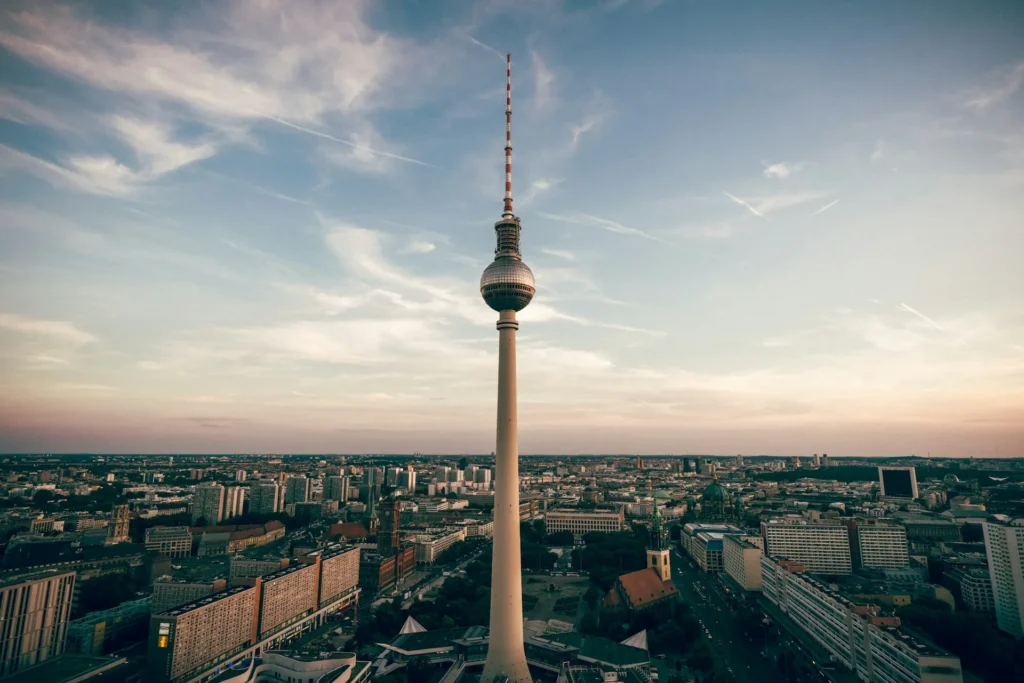
The Fernsehturm, built by East Germany in 1969, was designed to demonstrate socialist superiority. At 368 meters tall, it remains Berlin’s highest structure and offers unmatched 360-degree views of the city. From its observation deck, you can see how Berlin has evolved from a divided city into today’s unified capital.
Planning Your Historical Journey
Berlin’s compact size makes it possible to explore these attractions efficiently, whether you prefer walking tours, public transport, or cycling. We recommend dedicating at least three days to fully appreciate these historical sites, allowing time to absorb the stories and significance of each location. Here a visualized itinerary compressed in a single day.
Each of these attractions offers a unique perspective on Berlin’s layered history, from ancient civilizations to modern democracy. Together, they create a comprehensive narrative of a city that has been at the center of European history for centuries.
Ready to explore Berlin’s incredible historical landscape? These ten essential attractions will provide you with an unforgettable journey through time, offering insights into the events and personalities that shaped not just Germany, but the entire world.